Before Your Employees Use AI: A Business Data Checklist
Read article
Microsoft’s first Windows 11 update of 2026 triggered a shutdown and restart bug for many users — forcing an emergency fix and raising questions about update quality assurance.
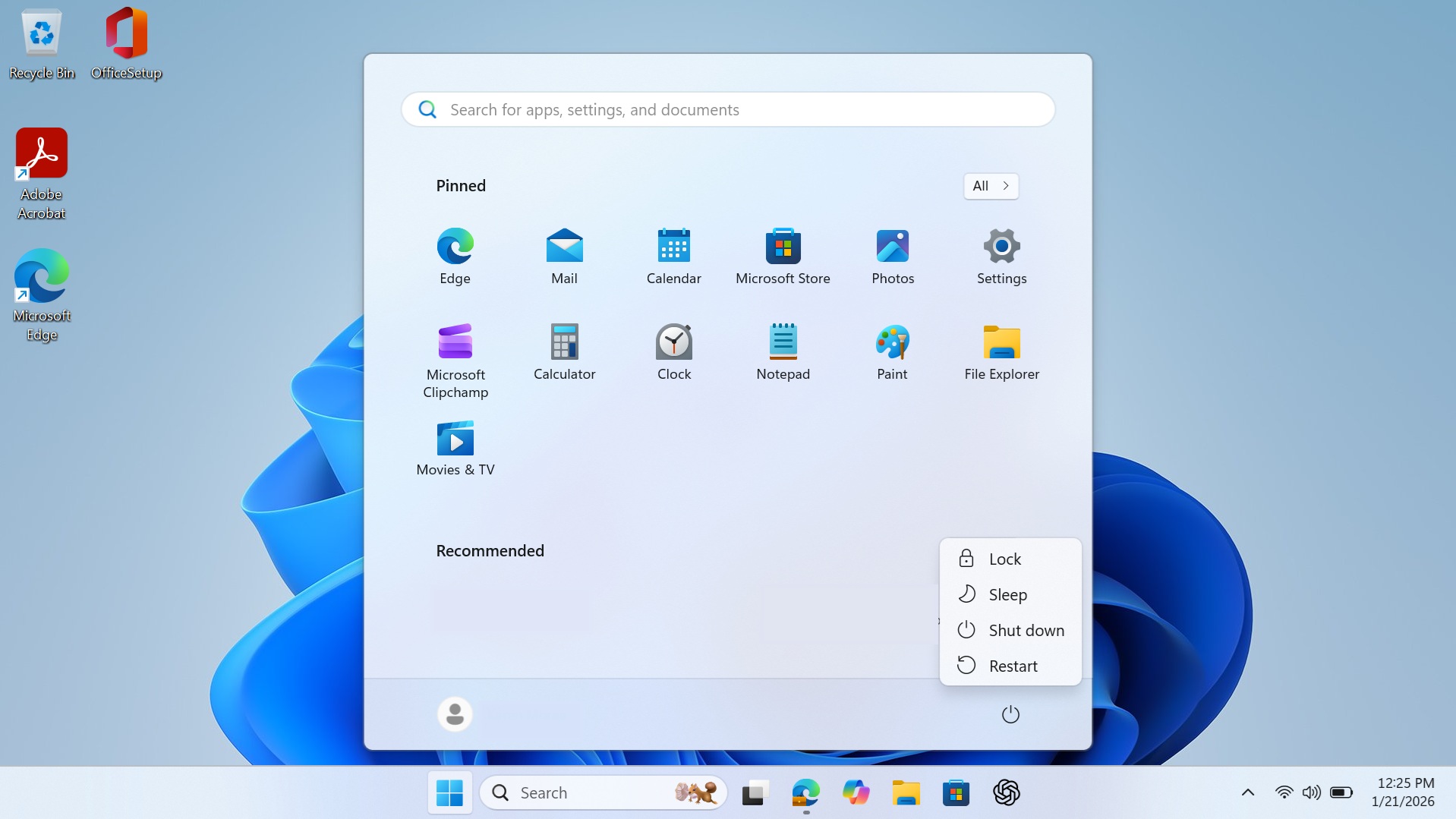
On January 19, 2026, Microsoft’s first cumulative update for Windows 11 of the new year began rolling out to millions of devices, promising security improvements and stability fixes. Within hours, however, a significant number of users reported something unexpected: their PCs refused to complete a normal shutdown or restart after the patch was installed. The flaw spread across desktops and laptops alike, turning the routine process of updating the operating system into a troubleshooting exercise for everyday users and IT administrators.
According to user reports and company advisories, the malfunction manifested as a refusal to power down or reboot — even after multiple attempts. Affected machines would linger on a blank screen or persist at the login prompt instead of moving through the shutdown sequence. For many individuals and businesses alike, this malfunction disrupted normal workflows, spawning threads of complaints across tech forums and social media platforms within hours of the update’s release.
Microsoft responded swiftly. Within a day of public reports, the company acknowledged the issue in its Windows Message Center — a dashboard where Microsoft communicates known problems and fixes to enterprise administrators and end users. The advisory confirmed that the latest update had inadvertently introduced the shutdown or restart hang bug. Recognizing the severity of the disruption for users worldwide, Microsoft moved quickly to push out an emergency follow-up patch designed specifically to address the flaw.
Emergency patches are relatively uncommon for Windows unless a defect interferes with core functionality. The fact that a shutdown glitch triggered one underscores the level of impact this issue had on users — particularly for organizations that automate patching across hundreds or thousands of endpoints.
Nevertheless, the company did not publicly divulge detailed technical information or specific components affected in the first update’s code. Users and system administrators were left to piece together clues from community feedback and official notes. This lack of transparency — while typical for Microsoft’s broader security advisories — fueled frustration among more technically inclined users who had hoped for deeper insight into what went wrong and why.
For the average Windows 11 user, the immediate lesson is simple: ensure the emergency fix is installed. This can occur automatically if Windows Update is configured to apply patches without user intervention. Otherwise, users should manually check for updates and install the corrective package provided by Microsoft.
From a broader perspective, though, the incident has reignited conversations about quality assurance in software updates — particularly for widely deployed platforms like Windows. Traditional best practices in enterprise IT recommend staging updates in controlled groups before wider deployment. This event highlights the continued importance of those practices, especially as operating systems grow ever more complex.
For Microsoft itself, the episode lands at a moment when the company is pushing Windows 11 as a robust platform for both consumer and business environments. Windows remains deeply embedded in workstations around the world. A glitch that affects a fundamental action — turning a machine off or on — resonates far beyond typical cosmetic or minor security issues.
While not a cybersecurity breach or dramatic corporate shake-up, the Windows 11 update bug serves as a reminder that even established updates carry risk. In recent years, software vendors have grappled with balancing the pace of innovation against the need to avoid regressions. As systems become more distributed and interconnected, testing across the full range of hardware configurations becomes increasingly difficult. Events like this bug are not unique in the industry — but they are instructive.
Looking ahead, businesses and users alike may revisit their update policies and enforcement mechanisms to include greater safeguards against disruptive patches. Whether that results in more conservative rollouts or changes in how Microsoft communicates update content remains to be seen.
For now, the emergency fix appears to have resolved the majority of shutdown and restart errors tied to the mid-January update. Still, some users reported lingering issues on specific devices, prompting ongoing troubleshooting threads well into January 21, 2026. That lingering frustration serves as a mild but real reminder that even trusted technology platforms can stumble — sometimes in the most basic of ways.
Sources:
Times of India, “Microsoft’s first Windows 11 update of 2026 triggers shutdown bug, company issues emergency fix,” January 19, 2026.